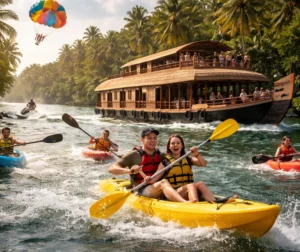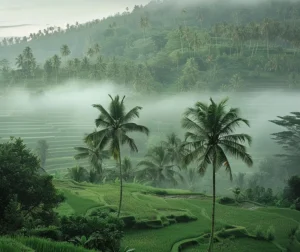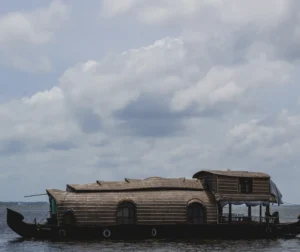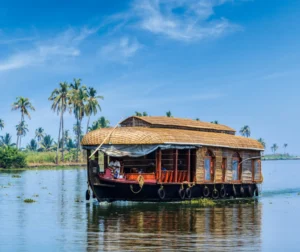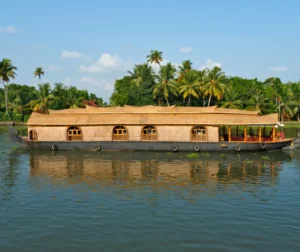

Most people pack their bags for Kerala with one vision: golden sands and the Arabian Sea. But if you stop at the shoreline, you’re missing the heartbeat of the state. Beyond the coast lies a world where the air turns crisp, the green deepens into emerald, and the silence is only broken by the sound of a distant waterfall or a mountain hawk. Beyond the beaches isn’t just a travel route; it’s a transition from the salt of the sea to the soul of the mountains.
At Kerala Boat House, we’ve seen that the most peaceful trips happen when you balance the water with the woods. Whether you’re drifting through a hidden canal or waking up in a mist-covered tea garden, Kerala’s inland treasures offer a reset that no crowded beach can match.
What Makes Kerala’s Inland Geography So Unique?
Kerala is divided into three distinct natural strips: the lowlands, the midlands, and the highlands. While the lowlands house the famous beaches and backwaters, the midlands are a maze of rolling hills and cashew plantations. The real drama, however, is in the highlands.
The Western Ghats, an ancient mountain range older than the Himalayas, form a giant green wall along the eastern border. This region converts 50% of the state into highlands, creating microclimates where you can find tropical rainforests and cool temperate grasslands just a few hours apart. It is this variety that makes a single trip feel like three different vacations.
How Do the Hill Stations Offer a Different Kind of Peace?
If the beach is about horizontal infinity, the hills are about vertical layers. Hill stations like Munnar, Wayanad, and the lesser-known Vagamon provide a “cooling down” period for your mind
● Munnar: The tea capital. It’s famous for carpeted green slopes and the rare
Neelakurinji flowers.
● Wayanad: A mix of dense forests and history. Here, you can
explore the prehistoric Edakkal Caves or sit by the Banasura Sagar Dam.
● Vagamon: The underdog. It’s a land of pine forests and meadows
that feels untouched by commercial noise.
The air here is thinner and scented with cardamom and coffee. It’s the perfect environment for those who find peace in a book and a sweater.
Why Are the Backwaters More Than Just “Water”?
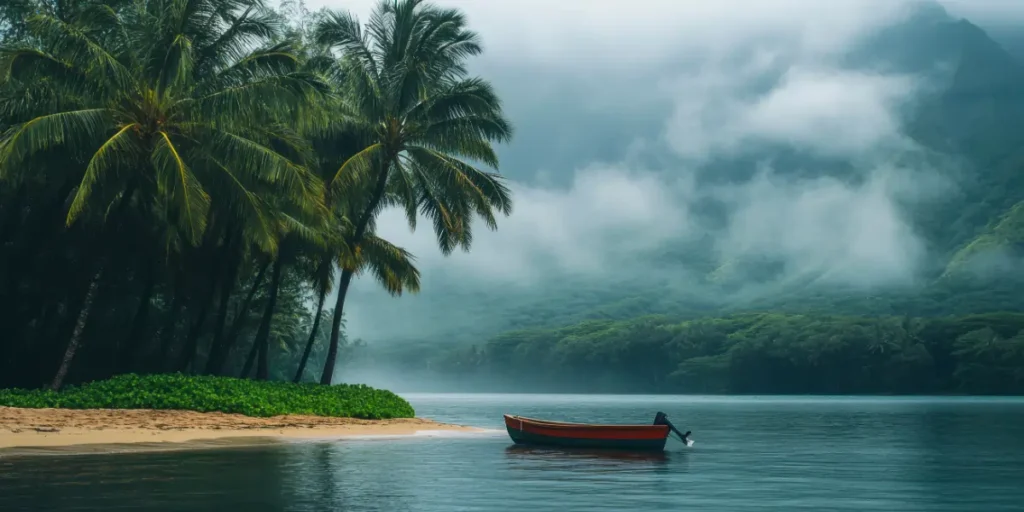
The backwaters are an intricate network of over 900 kilometers of waterways—rivers, lakes, and man-made canals. In 2026, the trend is moving away from the busy hubs toward more secluded spots like Ashtamudi Lake or the northern reaches of Kasaragod.
Floating on a houseboat through Kuttanad, the “Rice Bowl of Kerala,” is a surreal experience because you are often travelling below sea level. You see a lifestyle that hasn’t changed in decades: toddy tappers climbing palms, children rowing to school, and vibrant paddy fields stretching to the horizon. It’s a liquid landscape that demands you slow down.
Can You Find "Wild" Kerala Away From the Crowds?
For the true seeker of silence, the national parks are the ultimate destination. Silent Valley in Palakkad is exactly what the name suggests—an untouched rainforest sanctuary where the roar of the city is replaced by the rustle of giant squirrels and the trumpeting of wild elephants.
Places like Gavi or the Periyar Tiger Reserve offer ecotourism experiences where you aren’t just a spectator; you’re part of the forest. These areas represent the “Highland” tier of Kerala’s geography, reaching elevations where the mist stays all day and the modern world feels like a distant memory.
Final Thoughts
Kerala is a land of layers. The beaches are the beautiful cover, but the hills and backwaters are the chapters that stay with you. By moving beyond the beaches, you discover a rhythm that is both ancient and refreshing. Ready to trade the sand for the shade of a tea garden?
FAQ
Not at all. Kerala is relatively narrow. You can literally be on a beach in Alappuzha in the morning and be sipping tea in the Munnar hills by sunset. The roads are winding but incredibly scenic.
If you want the most vibrant greens, come right after the monsoon (September to November). For the best “peaceful” weather in the hills, October to February is the sweet spot when the air is crisp and clear.
The main “highway” in Alleppey can get busy, but that’s why we focus on offbeat routes. If you choose a northern trail or a southern lake like Ashtamudi, you can go hours without seeing another boat.
Think layers! You’ll want light cotton for the backwaters and a warm fleece for the hill stations. Don’t forget a sturdy pair of walking shoes for the forest trails and a raincoat—monsoon surprises are part of the charm.