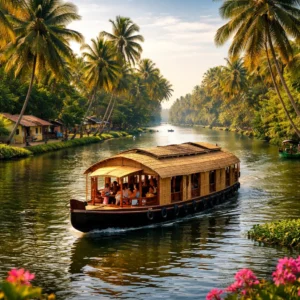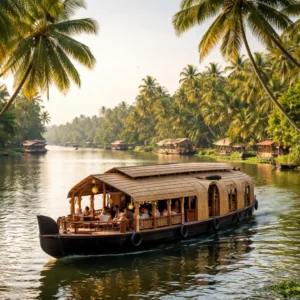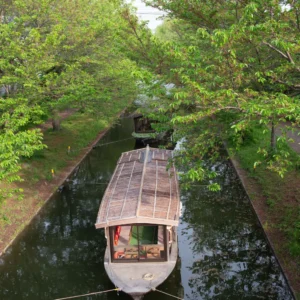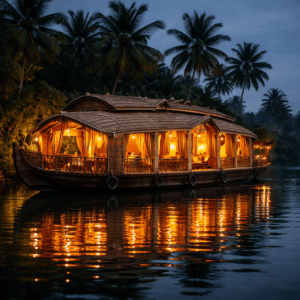

Ever wondered how a massive wooden boat floats through the backwaters without a single nail? It isn’t magic. It’s a centuries-old craft. Choosing a Kerala boat house stay isn’t just about booking a room on the water; it’s about stepping into a living piece of history. These vessels once hauled tons of rice and spices across the state. Today, they carry travelers looking for a slice of peace.
The Kettuvallam: From Cargo to Luxury
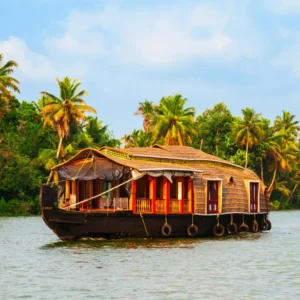
Before they were the luxury stays you see today, these boats were known as Kettuvallams. The name tells the story. “Kettu” means “to tie”, and “Vallam” means “boat”. Local artisans used coir ropes to tie jackwood planks together. No nails. No bolts. Just clever engineering and resin made from boiled cashew shells.
Originally, these were the heavy lifters of Kerala, moving goods through the narrow canals where large ships couldn’t go. As roads improved, the cargo trade faded, but the culture didn’t. Instead of letting the tradition die, locals added thatched roofs and bedrooms, creating the houseboats we love today. It’s a perfect example of heritage meeting modern comfort.
What’s It Like on a Kerala Backwater Cruise?
Imagine waking up to the sound of water lapping against the hull. No traffic. No notifications. Just the sight of palm trees leaning over the banks. A Kerala backwater cruise offers a front-row seat to village life. You’ll see fishermen casting nets, children heading to school by boat, and women washing clothes by the shore.
The culture isn’t just in the wood; it’s in the food. Onboard a Kerala Boat House, the kitchen is the heart of the vessel. Chefs prepare traditional meals like Karimeen Pollichathu (pearl spot fish) and red rice using local spices. It’s authentic, fresh, and usually caught right from the water you’re floating on.
A Space Built for Stories
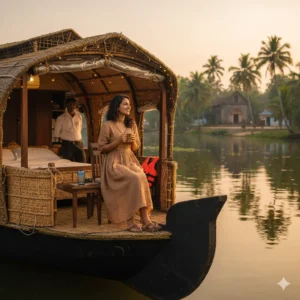
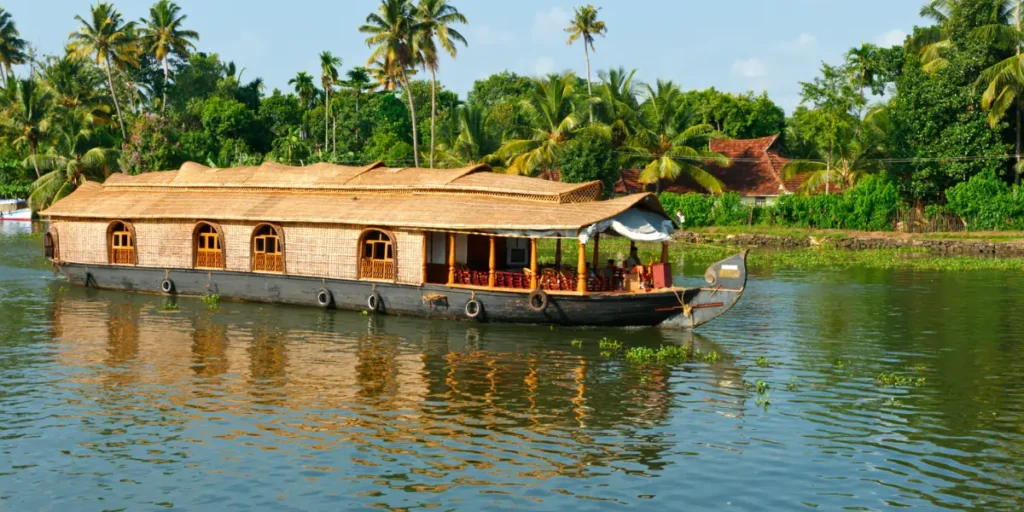
The design of these boats reflects the humid climate of the region. The curved roofs—made from bamboo poles and palm leaves—allow for natural airflow. Even without the AC on, the boat stays remarkably cool. Whether you choose a Deluxe, Premium, or Luxury stay, the layout remains focused on the view. Most have an open deck at the front, perfect for watching the sunset with a cup of chai.Final Thoughts
The history of Kerala’s houseboats is a story of survival. By turning cargo carriers into floating homes, the people of Alleppey saved a dying art form. Ready to see it for yourself? A stay in a houseboat in Kerala is the best way to slow down and soak in the culture. Which part of the backwaters are you most excited to explore?
FAQ
It’s the old-school name for a Kerala houseboat. Back in the day, these were used to move rice and spices. They are built using traditional methods—literally tied together with coconut fiber ropes. No nails involved!
Yes, and it’s arguably the best part. The onboard chefs specialize in Kerala cuisine. Expect fresh fish, local veggies, and traditional spices. If you have a specific craving or allergy, just tell the crew beforehand.
Absolutely. It’s a slow, steady ride. Most boats have wide decks and stable interiors. Just keep an eye on the little ones near the edges, but otherwise, it’s one of the most relaxing ways to travel for any age.
No. For safety and to follow local fishing laws, boats anchor by the shore around 5:30 PM or 6:00 PM. This is actually great because you get to enjoy a quiet evening under the stars without the engine humming.